Trusted residential service plumber for Texas Hill country
TEXAS HILL COUNTRY PLUMBER
precision Sewer Camera Inspection for
Texas Hill Country Homes
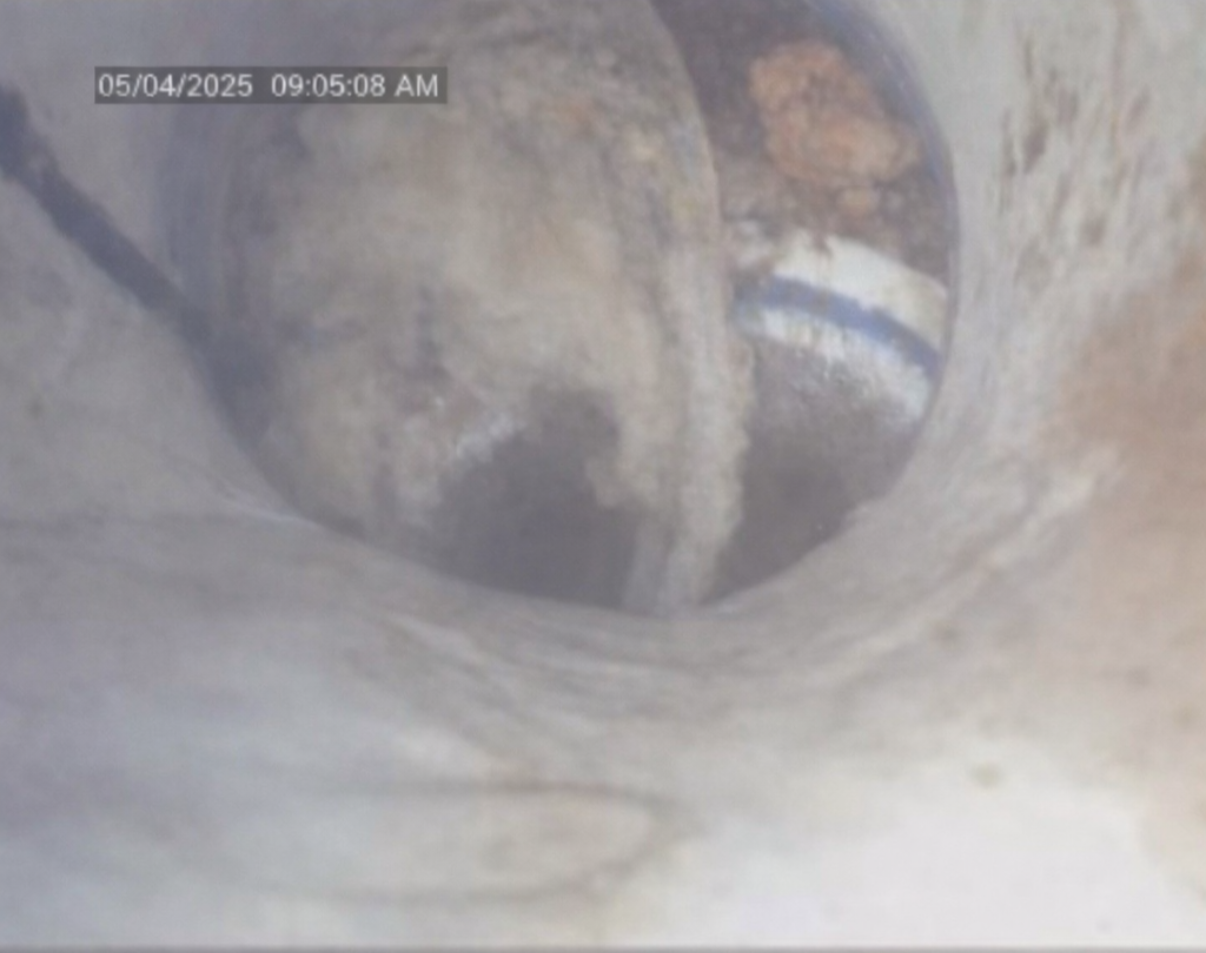
A sewer camera inspection is a professional diagnostic service used to visually confirm the internal condition of your drain or sewer line. Instead of relying on assumptions, this allows us to see exactly what is happening inside the pipe in real time.
Depending on the situation, a camera inspection may be recommended on its own, in coordination with other diagnostics, or after a drain has been cleared to verify results and identify underlying structural issues. This ensures plumbing decisions are based on verified information — not guesswork.
A sewer camera inspection allows us to directly evaluate the internal condition of piping that is normally hidden beneath floors, walls, and underground. Without visual confirmation, plumbing problems are often diagnosed based only on surface symptoms such as slow drains or recurring backups.
By inspecting the pipe itself, we eliminate uncertainty and move from trial-and-error repairs to evidence-based system diagnosis. This is the foundation of professional plumbing decision-making.
WHY VISUAL
DIAGNOSTICS MATTER
Most plumbing failures develop internally long before they become visible. Cracks, root intrusion, joint separation, internal corrosion, and buildup occur out of sight.
When repairs are based only on symptoms, the true cause may remain untreated. This leads to repeated failures and unnecessary expense. A sewer camera inspection prevents this by identifying the actual condition of the pipe before major decisions are made.
This protects homeowners from incomplete repairs and ensures the correct solution is selected the first time.
WHAT WE EVALUATE DURING AN INSPECTION
During a sewer camera inspection, we evaluate the overall health of the piping system — not just whether a blockage is present.
Each condition requires a different corrective approach. Visual confirmation ensures solutions are based on actual system conditions — not assumptions.
This includes identifying:
Cracked, collapsed, or deteriorated pipe sections
Foreign objects or construction debris inside the line
Standing water indicating improper slope
Grease, scale, and internal buildup restricting flow
Misaligned or separated joints
Root intrusion entering through joints or cracks
Our Professional Inspection Process
System Evaluation
We review drainage behavior and system symptoms to determine the proper inspection strategy.
Camera Insertion
A professional-grade inspection camera is introduced into the line to view internal conditions in real time.
Live Pipe Analysis
The interior of the pipe is examined for structural damage, obstructions, and flow restrictions.
Location Identification
The position of any findings is measured to determine where issues exist within the system.
Clear Explanation of Results
Findings are explained in plain language so homeowners understand the condition of their plumbing system before decisions are made.
WHY OUR CAMERA INSPECTIONS ARE DIFFERENT
Our goal is to provide accurate system intelligence that guides proper solutions.
We focus on long-term system reliability, not temporary fixes
We explain findings clearly, not with confusing jargon
We rely on verified evidence, not assumptions
We inspect to diagnose — not to sell unnecessary repairs
WHEN A SEWER CAMERA INSPECTION IS RECOMMENDED
A sewer camera inspection is commonly recommended when:
drain problems return after clearing
Multiple fixtures drain slowly at once
Root intrusion or pipe damage is suspected
Homes have older or unknown piping systems
Major repair or replacement decisions are being considered
In these situations, visual confirmation prevents misdiagnosis and unnecessary work.
HOW CAMERA INSPECTION FITS INTO THE DIAGNOSTIC SYSTEM
Sewer camera inspection confirms internal pipe condition. Drain cleaning restores flow. Line locating and diagnostics identifies the physical location of buried lines.
Each service serves a distinct diagnostic purpose. When used correctly, they work together to ensure plumbing solutions are selected based on verified system information — not guesswork.